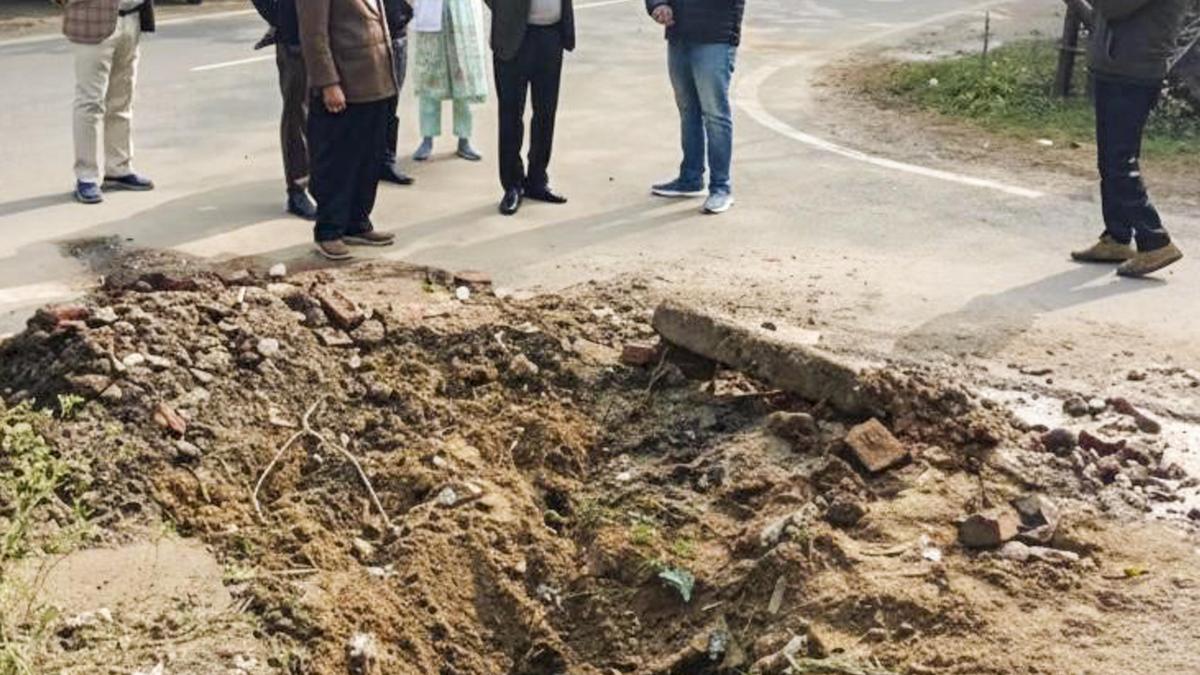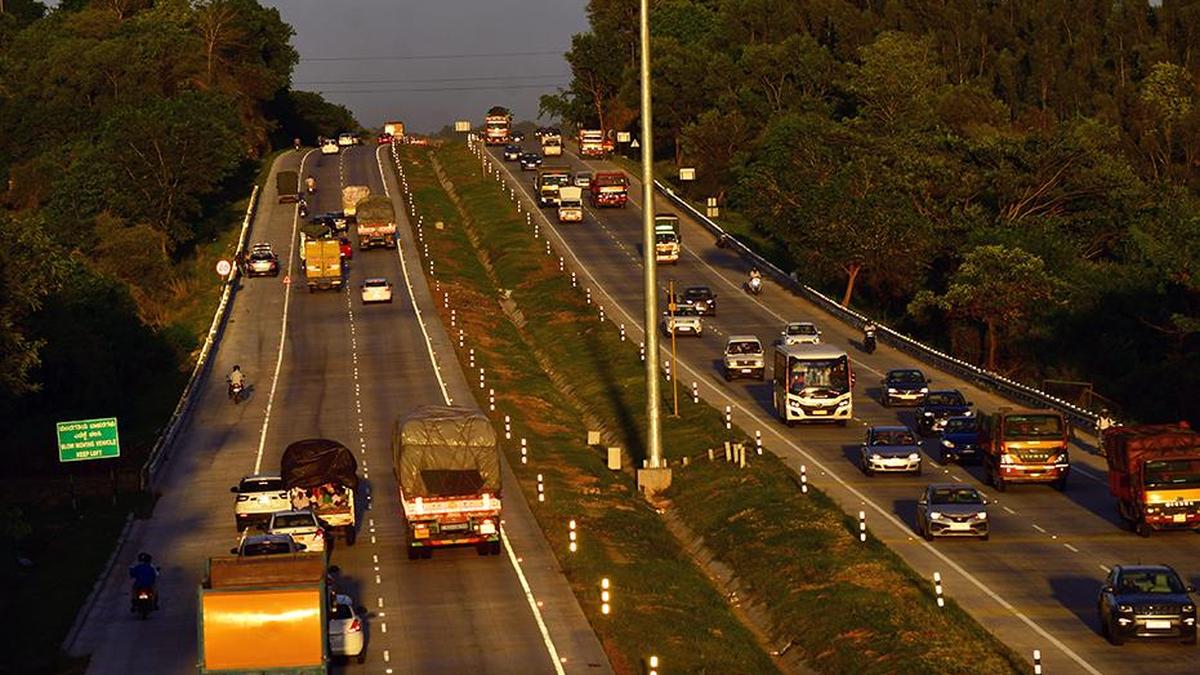
Delhi government orders enhanced water quality checks and infrastructure audits after Indore contamination deaths, focusing on vulnerable areas and ageing pipelines

Delhi Government Orders Enhanced Water Testing
In response to water contamination and deaths in Indore, the Delhi government has instructed the Delhi Jal Board (DJB) to increase water testing in vulnerable areas. This aims to prevent similar incidents in the Capital.
Checklist Issued by Water Minister
Delhi water minister Parvesh Verma has provided a checklist for this initiative. It includes checking water lines near sewer lines, improving water quality monitoring, auditing vulnerable sections, and prioritizing repairs of supply lines.
Instructions from DJB CEO
DJB chief executive officer Kaushal Raj Sharma has given orders to staff and engineers. He warned that non-compliance will lead to disciplinary action. The directive includes deploying extra staff for water sample collection.
Deployment of Resources
The directive states, “DTQC may hire extra vehicles to collect the water samples extensively in problem facing areas and public premises.” All DJB divisions must resolve complaints within two days. They will also deploy 30 super-suckers and 16 recycler machines to address sewer line issues.
Recent Tragedy in Indore
Earlier this month, at least 16 people died after consuming sewage-mixed water in Indore’s Bhagirathpura. This tragedy has raised concerns about vulnerable sections in Delhi, where 18% of the water supply network is over 30 years old and needs upgrades.
Infrastructure Audit Required
The government stated that DJB must audit existing infrastructure to find vulnerable sections. Repairs and replacements are needed to prevent untreated water from mixing with the potable supply.
DJB Water Supply Overview
DJB operates nine water treatment plants in Delhi. Together with groundwater, they supply around 1,000 million gallons per day (MGD) through 123 underground reservoirs (UGRs) and a 15,600 km supply line network.
Continuous Monitoring Required
The government has also called for round-the-clock vigilance in high-density areas. Improvements in testing and monitoring at treatment plants and consumer ends are necessary.
Concerns About Water Quality Testing
Recent reports indicate that 18% (2,800 km) of the 15,600 km water supply network is over 30 years old and needs replacement. Ageing pipes can cause cracks and leaks, increasing contamination risks. DJB’s water quality reports from December 22 and 26, 2025, showed that 100 out of 7,129 samples were “unsatisfactory.”
Call for Inquiry into Testing Mechanism
Concerns have been raised about Delhi’s water quality testing. Issues include the lack of NABL accreditation for 25 DJB labs and outdated testing methods. NGOs and stakeholders have urged the government to investigate the current monitoring system and issue new guidelines for water contamination.
| Event | Date | Details |
|---|---|---|
| Deaths in Indore | Earlier this month | 16 people died from sewage-mixed water |
| DJB Water Supply | Current | 1,000 MGD from 9 treatment plants |
| Old Water Network | Current | 18% (2,800 km) over 30 years old |
| Unsatisfactory Samples | Dec 22 & 26, 2025 | 100 out of 7,129 samples failed |